
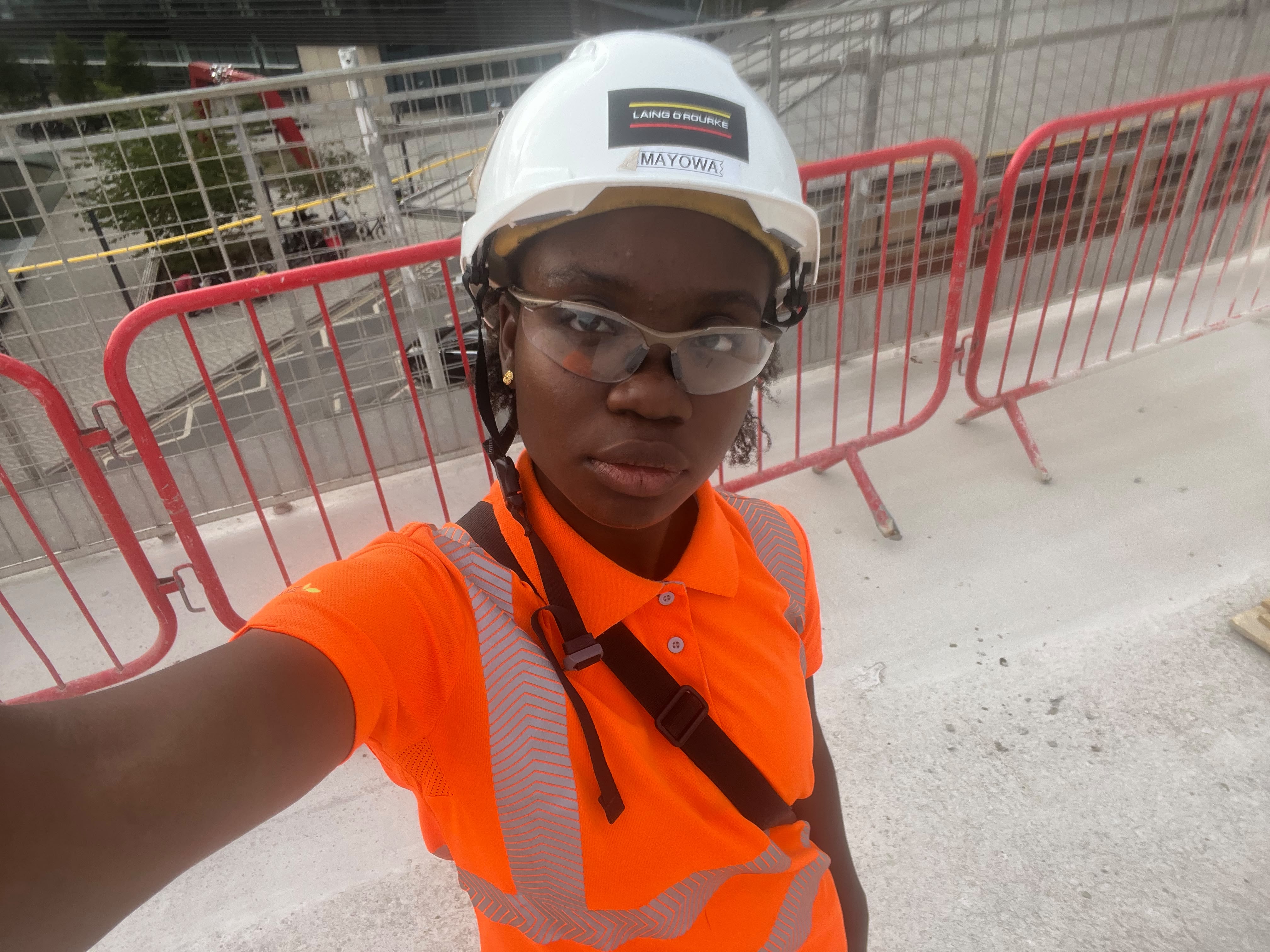
Featured Apprentice
Jesumayowa Ojo
“I found the one-to-one consultation very useful. It explained the STAR method of answering interview questions to me, gave me interview questions, and we practised them together. I was also told that the best thing for the interview was being myself. The consultation helped me gain more confidence, which I believe helped me in the interview for the company I work with now.”
Before the Apprenticeship
I was in college Monday to Friday studying A Level Maths, Physics and Art. On the weekends, I worked part-time as a community carer.
Challenges & Barriers
The first barrier I faced was not knowing what an apprenticeship was until the end of Year 12. Before then, I didn't know how it worked or even what it meant. When I went for work experience at the end of Year 12 with Conway FM, it was explained in one of the sessions. Then I understood what it was, and I found interest in it immediately. I could have spent Year 12 finding out what it entailed, but I had to do that in Year 13, which was the time I was meant to be applying. Another barrier was that I didn't know what degree I wanted for higher education until the start of Year 13. I was undecided between architecture and civil engineering for the longest time, and this made my search for apprenticeships disorganised, as these courses were different and needed two CVs and different answers for applications. When I decided to go for civil engineering (because of my bad art skills), it made things easier, as my head was focused on one goal and it was easier to search for opportunities in one career. Another challenge I faced was rejection. I was rejected so, so many times. Sometimes I go through my email and search 'unfortunately' or 'rejected' to see how many times I got rejected, and these are just from the companies who bothered to get back to me. I remember going to an assessment centre for a company and getting rejected. I had already been dreaming of my life in that city and where I would live there. This rejection broke me for a while, and I stopped applying because I thought I wasn't cut out for it. I was going to take a gap year and try again the next year. Then a friend from my church encouraged me to keep trying, because the worst they can say is no, right? I kept trying, and shortly after, I applied to the company I work with now.
“When I realised that I could get a free degree, five years of work experience in the role I want to do after university,...”
When I realised that I could get a free degree, five years of work experience in the role I want to do after university, and get paid for it, I knew I wanted to do an apprenticeship.
How I Found My Apprenticeship
I found my apprenticeship by searching "top civil engineering companies in the UK" on Google and going through the list one by one. I would go to each company's early careers website and check for civil engineering apprenticeships. I also searched sites like Not Going To Uni, HigherIn and the UK government website. I also spoke to a friend who was an engineering graduate at the time, and she advised me to apply to her company as well.
The Turning Point
The moment that changed it all for me was when my church friend told me to keep applying even though I had faced so many rejections. She said the worst they could say is no, and she was right. It was after she said that to me that I applied, and through God's grace, I was able to get one apprenticeship offer from my numerous applications. If I hadn't taken her advice and continued, I don't think I would have gotten an apprenticeship then. I also took every piece of feedback I could get from the rejections and applied it to my next application to make it better, so that I wasn't doing the same thing as before and expecting a different result.
My Current Role
My role involves setting out on site, which means using a high-precision machine (accurate to a millimetre) called a Total Station to give marks for shutters, walls, columns and beams in accordance with the design drawings we are contracted to build. For example, to check the position of a precast column, I would use the machine to check which direction the column needs to be moved so that its position matches the drawing. I also take part in quality assurance on site, which means checking that the work done on site matches the design. This involves checking reinforcement in slabs and making sure no elements like upstands, bolts or bars are missing. I also take as-built surveys of completed works, using the Total Station to collect the positions of what has been built on site. This is then processed and submitted to the client.
Impact on My Life
My apprenticeship has helped me meet an amazing group of people I would never have met elsewhere. From people on site to people in the office, most are so lovely and supportive. My job doesn't feel like a job sometimes; it feels like I'm carrying out tasks with friends. My people skills have improved a lot since I started and are still getting better. Professionally, my apprenticeship has improved my confidence, helped me learn about the job I wanted to do, and given me a head start in my career.
I think my biggest achievement so far is doing my job independently. When I first started, I was timid and didn't have a clue what was going on on site. I didn't know the proper terms for things, and I hadn't had that type of site experience before. Looking back now, I can see I've come a long way from where I started, in terms of relaying information to other people and carrying out my job confidently, all due to God's help.
Advice to Aspiring Apprentices
“I would advise them to take in every bit of information they can find. Go to the work experience, speak to people, chat to people on LinkedIn. It's not too much information; you never know which piece you will need in future. Also, don't be scared of rejection. Take it as an experience to do better next time.”
Jesumayowa Ojo
Civil Engineering Apprentice · Laing O'Rourke